




Solutions


On-Board Charging Solutions
Our on-board charging products and DC/DC converters offer high power density, high efficiency, and a high level of integration. The OBC converts AC power into high-voltage DC power to charge the traction battery, while the DC/DC converter steps down high-voltage DC to power low-voltage vehicle systems, including braking-related electrical systems and windshield wipers. The solution supports bidirectional energy transfer across V2L (vehicle-to-load), V2V (vehicle-to-vehicle), and V2G (vehicle-to-grid) applications. It helps automakers extend driving range, reduce costs, optimize vehicle packaging, and build intelligent vehicle energy systems.
Product Categories
6.6kW OBC + 3kW DCDC


- High power density: 3.8 kW/L, 5.1 kg — smaller and lighter, easing vehicle packaging and lightweighting.
- High efficiency: efficient DC/DC design lowers vehicle energy consumption and directly helps extend driving range.
- High compatibility: 400 V & 800 V compatible — one platform covers multiple voltage architectures, reducing development and platform costs.
- High integration: platform-based standard product meeting China market requirements, enabling fast integration and reuse across multiple vehicle models.
- V2X capability: V2L & V2V standard, V2L inside optional — covering external power output, vehicle-to-vehicle charging and other scenarios.
- High consistency: automated production & testing ensure product consistency and reliable delivery.
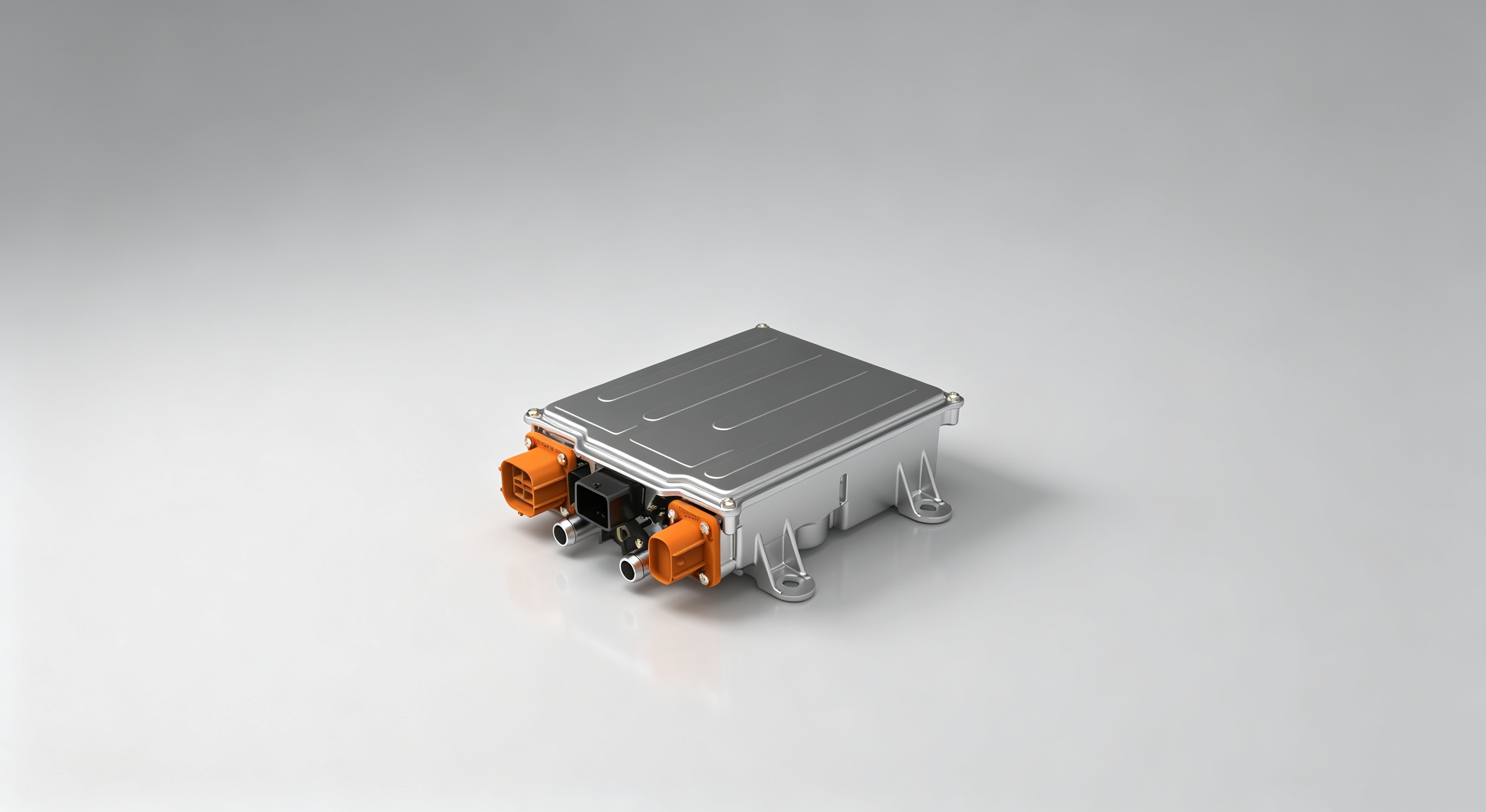
6.6kW OBC + 3kW DCDC + PDU
- Integrates a PDU on top of the platform standard product.
- The integrated PDU reduces external components and wiring harness, raises integration, and enables compact vehicle packaging.
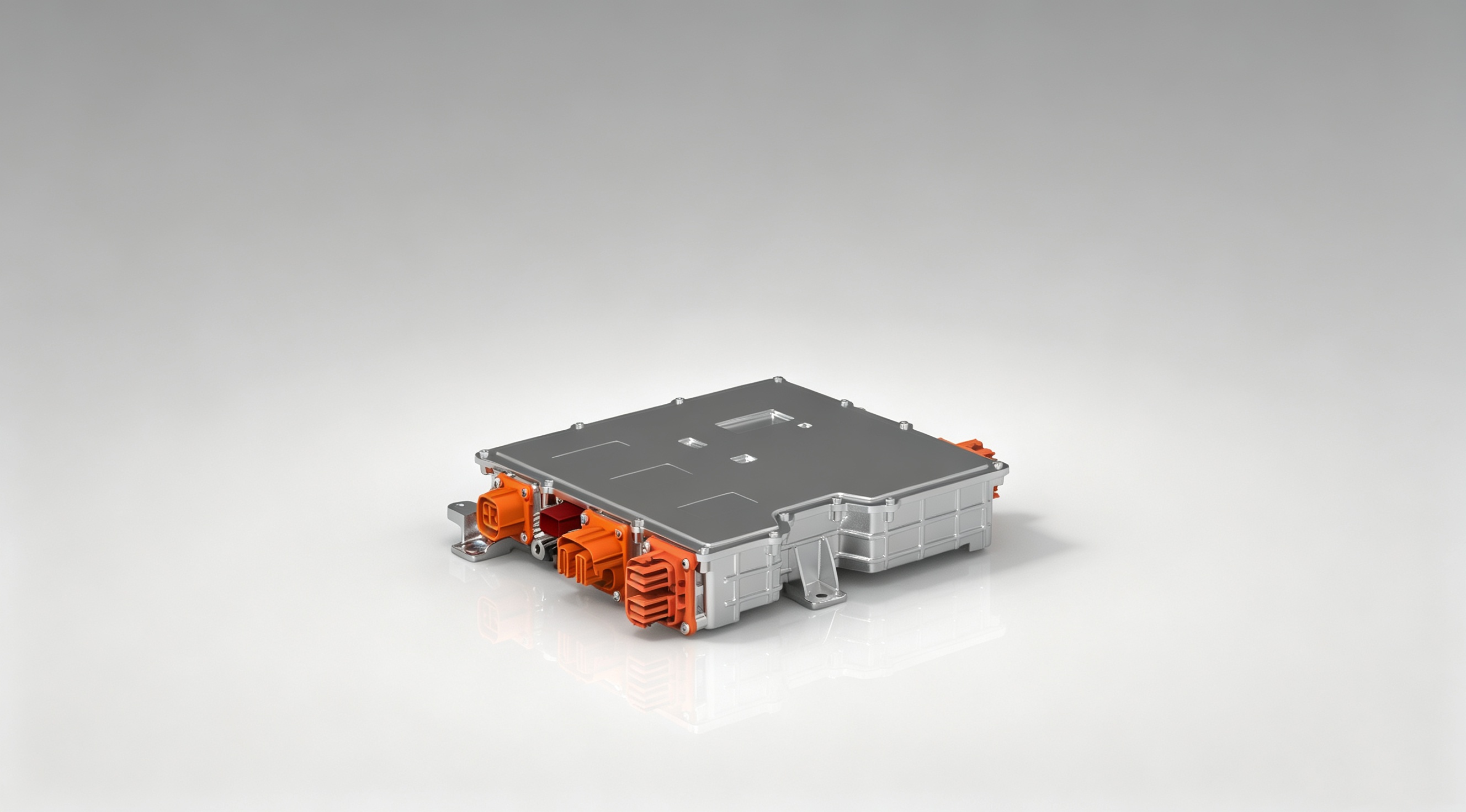
6.6kW OBC + 1.1kW DCDC + EVCC +PDU
- Customized Products
- Designed to European standards to meet the needs of the European market
- Meet customers' fast-charging, communication, and power control needs
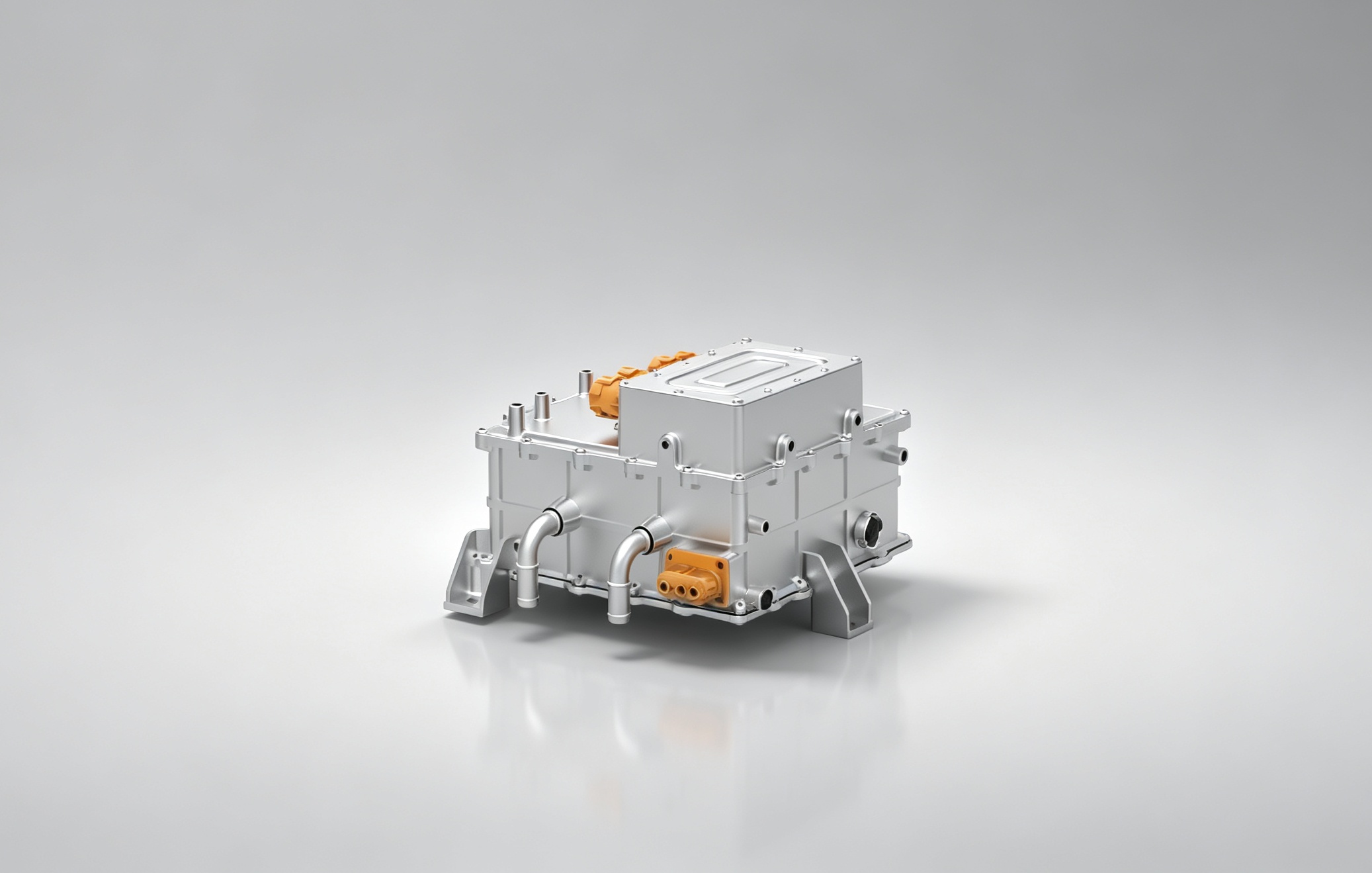
11kW OBC + 3kW DCDC 2in1
- Standardized, platform-based products that meet the demands of the European market
- 3.7kW/L, 7.2kg
- Compatible with 400 and 800 V
- High-efficiency DC/DC design for light loads reduces vehicle energy consumption and extends range
- V2L & V2V come standard; V2L inside, V2G, and V2H are optional
- Automated Production & Testing
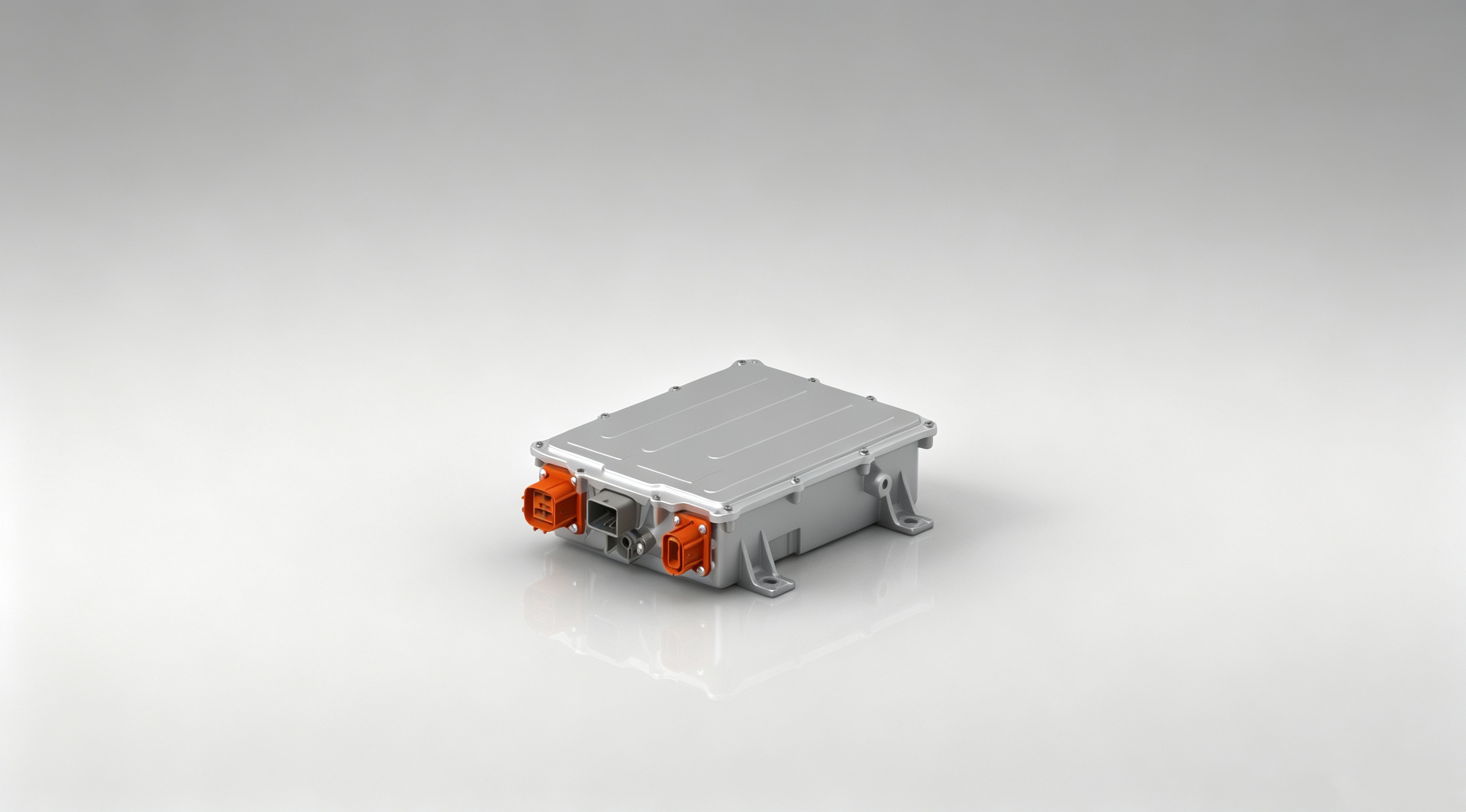
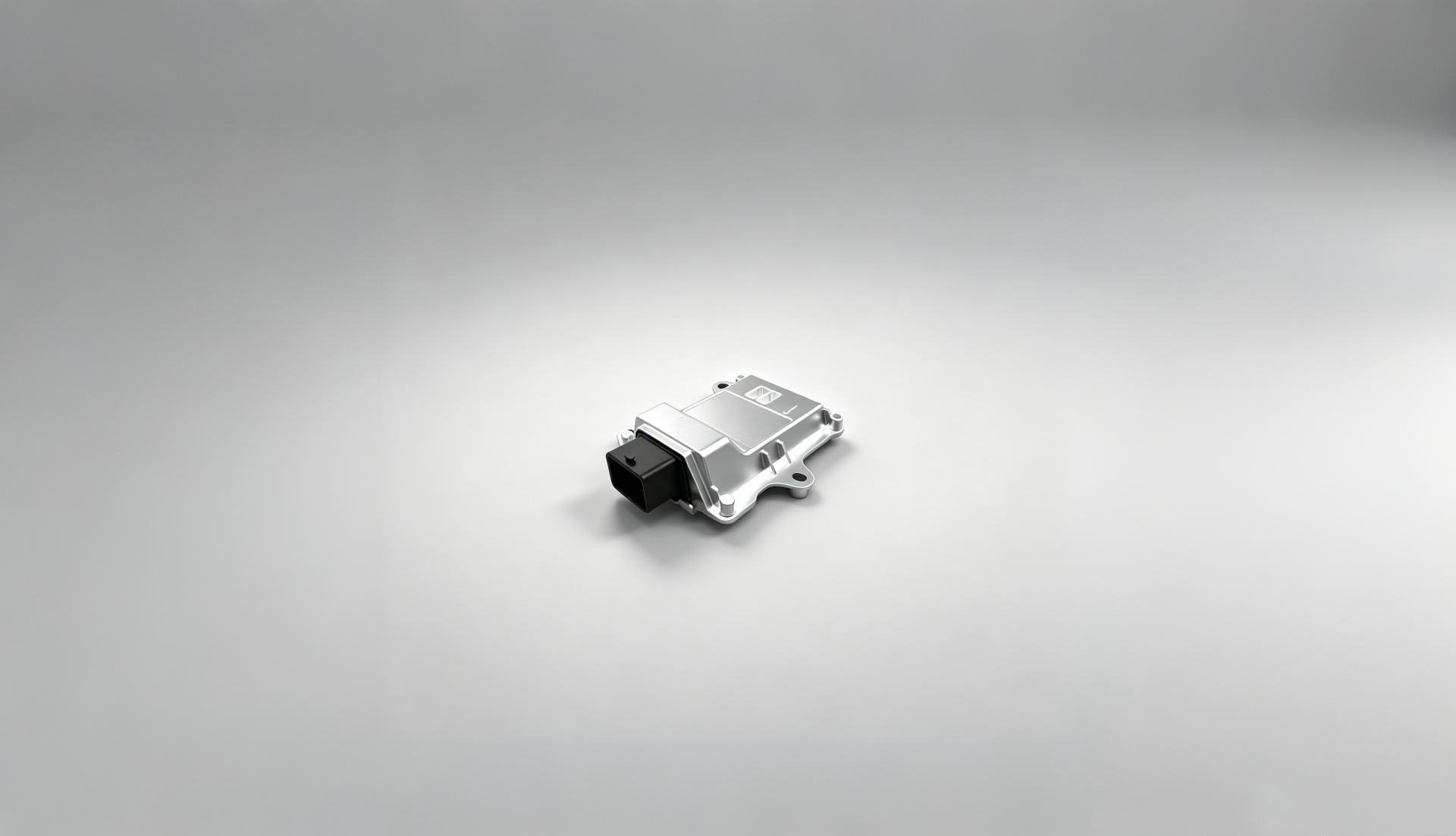
EVCC
- European compliance: national-standard-to-European conversion / European-standard design, meeting European CCS fast-charging communication requirements and helping vehicle models enter the European market quickly.
- Miniaturization: palm-sized, with a minimal footprint that fits easily into tight spaces in the vehicle.
- PnC function: Plug & Charge support, improving charging convenience and user experience.
- High integration: optional OBC & DC combined solution that flexibly adapts to different vehicle architectures and reduces external components and wiring harness.
- High consistency: automated production & testing ensure product consistency and reliable delivery.
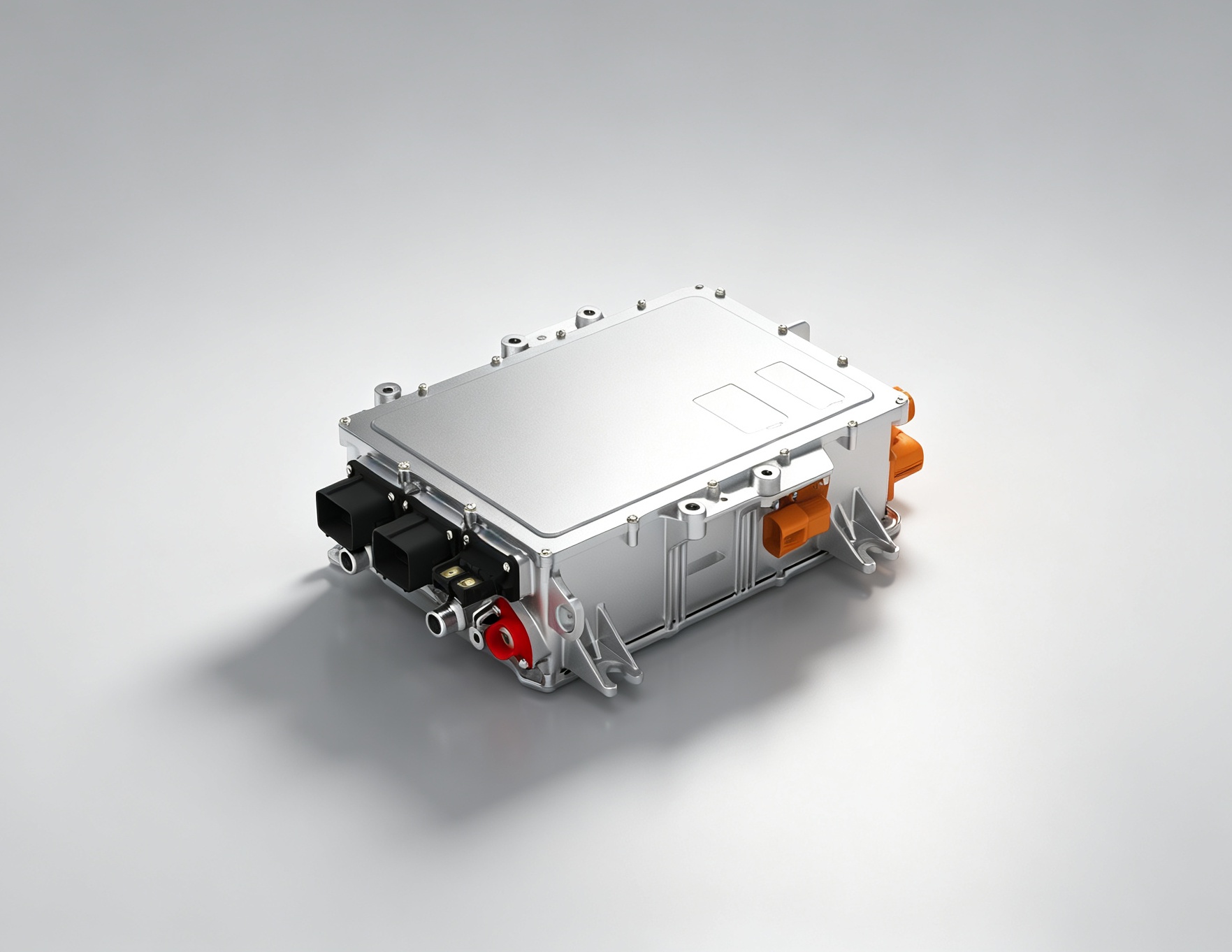
EVCC 48V + 12V Integrated DC/DC Converter
- High power: 48 V output at 5.8 kW, meeting the load demands of next-generation 48 V architectures.
- Functional safety: 12 V ASIL B design; together with a second DCDC it can reach up to ASIL D, supporting redundant safety.
- Integration: 48 V + 12 V two-in-one, eliminating a standalone DC/DC module and simplifying the system architecture.
- High efficiency: efficient non-isolated 12 V design lowers vehicle energy consumption and helps extend driving range.
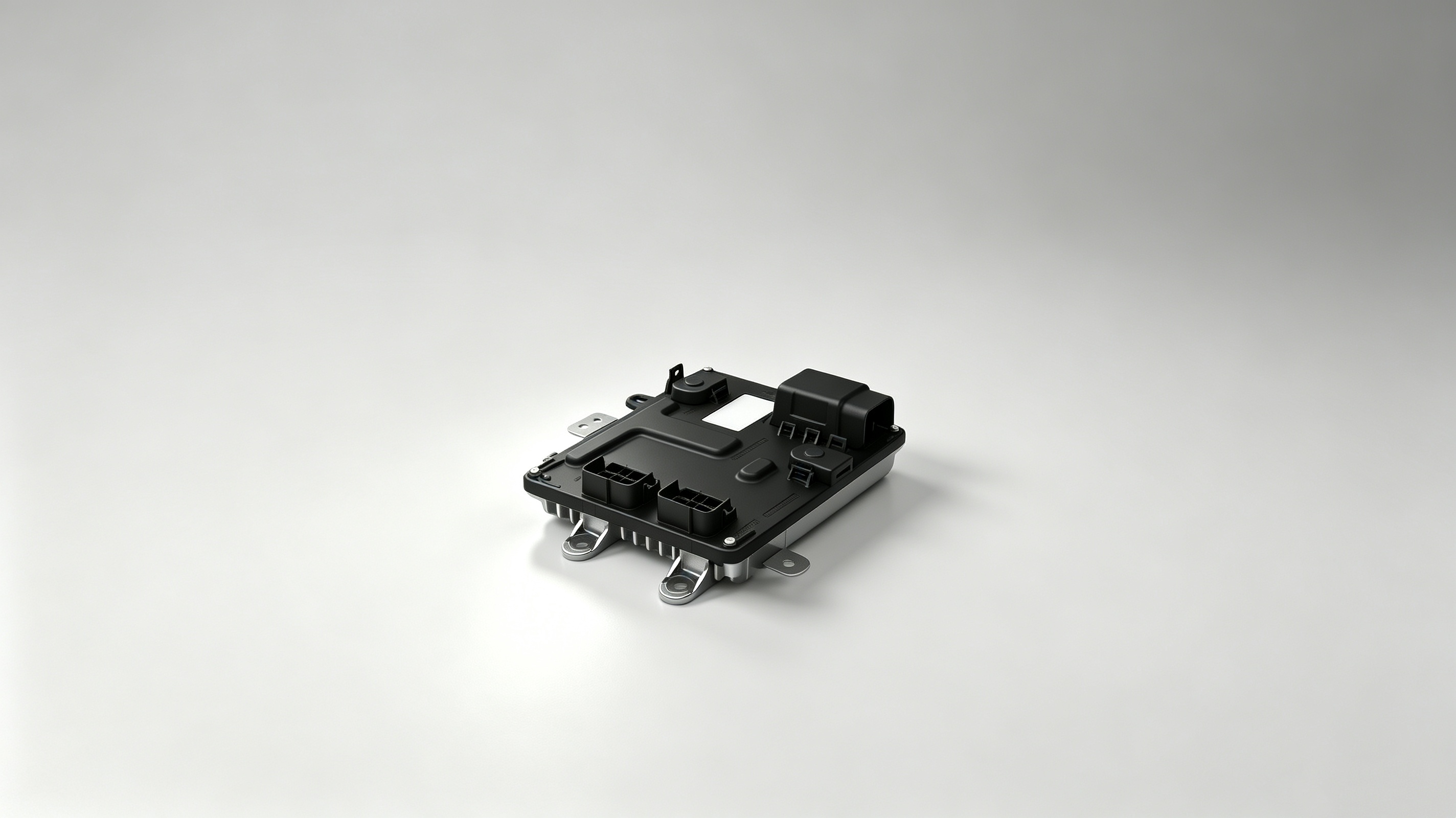
48V / 12V LV Efuse Box
- Software-defined vehicle (SDV): supports software upgrades and feature iteration; power distribution strategies are configurable and evolvable, turning low-voltage power distribution from "fixed hardware" into an "evolvable node."
- Intelligence: supports fault diagnosis, status reporting and recoverable protection, improving system maintainability.
- High safety: supports overcurrent, overvoltage and overtemperature protection, proactively disconnecting faulted circuits to replace conventional fuses and relays and raising the system safety level. Microsecond-level response — far faster than conventional fuses — protects critical loads and wiring harness in time and reduces fault risk.
- Flexible integration: optionally integrated with OBC & DCDC, reducing standalone modules, external components and wiring harness, improving integration and optimizing vehicle packaging and cost.
6.6kW OBC + 3kW DCDC
6.6kW OBC + 3kW DCDC + PDU
6.6kW OBC + 1.1kW DCDC + EVCC +PDU
11kW OBC + 3kW DCDC 2in1
EVCC
EVCC 48V + 12V Integrated DC/DC Converter
48V / 12V LV Efuse Box

